

The Shifting Definition of Career Success
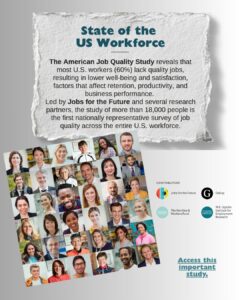
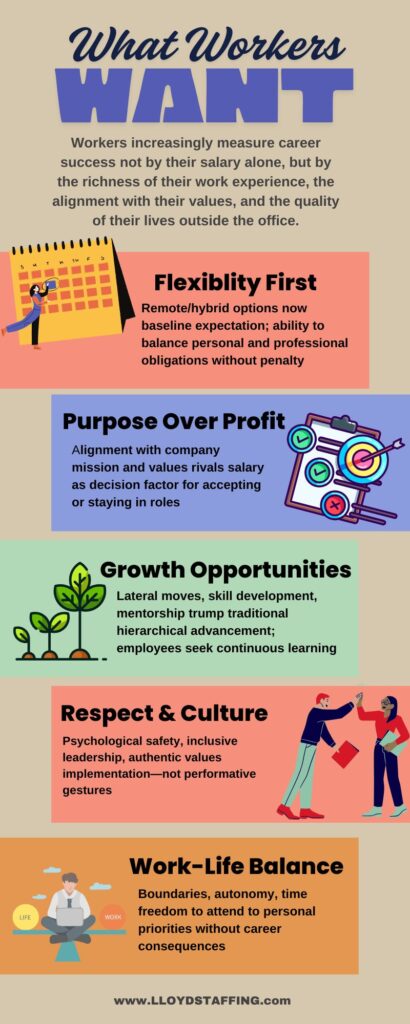
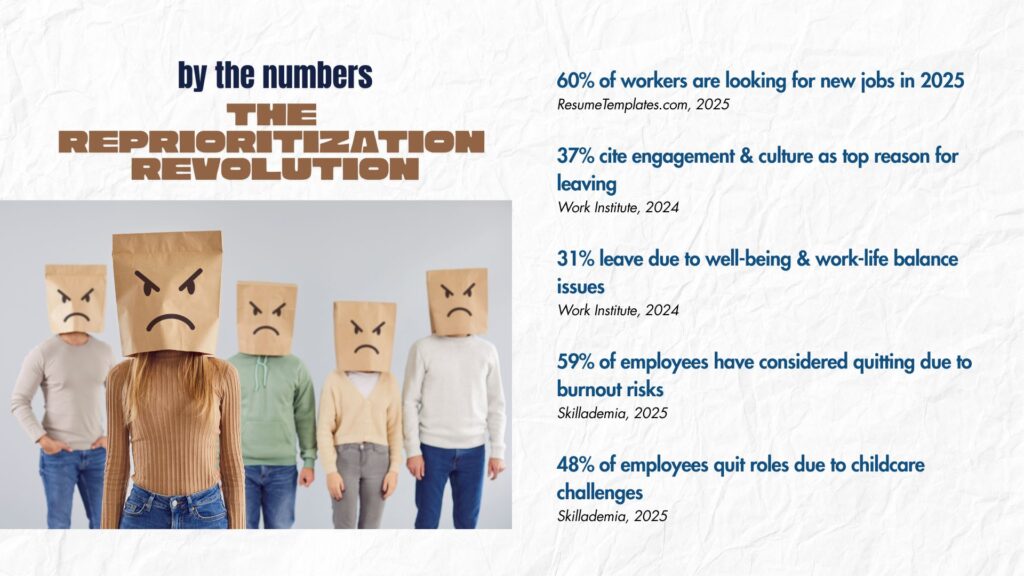
The corporate world is experiencing a seismic shift. For decades, career success was synonymous with climbing the ladder—higher titles, bigger paychecks, corner offices. Today, that paradigm is crumbling. Workers increasingly measure career success not by their salary alone, but by the richness of their work experience, the alignment with their values, and the quality of their lives outside the workplace. Recently, The American Job Quality Study revealed that most U.S. workers (60%) lack quality jobs, resulting in lower well-being and satisfaction, factors that affect retention, productivity, and business performance.
This isn’t a fleeting trend driven by pandemic-era introspection. It’s a fundamental restructuring of the employer-employee relationship, and organizations that fail to adapt risk losing their competitive edge in the war for talent.
The Great Reprioritization: Where It All Began
In May 2021, Anthony Klotz, then an associate professor of management at Texas A&M University, coined the term “The Great Resignation” to describe the unprecedented wave of employees voluntarily leaving their jobs. His prediction proved true. By September 2021, the exodus was in full swing, forcing employers to confront uncomfortable truths about what truly drives talent acquisition and retention.
But the mass departures were merely the symptom. The underlying cause was something deeper: what Morning Consult subsequently rebranded as “The Great Reprioritization” in their March 2022 study—a fundamental shift where workers reassessed what they wanted from their careers and redefined career success entirely. It wasn’t just about quitting bad jobs; it was about rejecting the old metrics of achievement in favor of work-life balance, purpose, and values alignment.
The New Pillars of Career Success
- Work-Life Balance: The Non-Negotiable Priority
Work-life balance has evolved from a nice-to-have perk to a dealbreaker. Employees are no longer willing to sacrifice their personal lives on the altar of professional achievement. They want flexibility—the ability to attend their child’s school play, pursue hobbies, maintain their health, and simply disconnect without guilt.
The Great Resignation taught us this lesson emphatically. Millions walked away from jobs that offered financial security but demanded everything else in return. They chose time over money, autonomy over advancement, and well-being over wealth.

For employers, this means rethinking traditional work structures. Hybrid and remote work aren’t temporary accommodations—they’re permanent fixtures of the modern workplace. Companies that insist on rigid, office-centric policies are swimming against an unstoppable current.
- Meaningful Work: Purpose as Currency
Today’s workforce wants to feel that their daily efforts matter. They’re asking deeper questions: Does my work contribute to something larger than quarterly earnings? Am I solving real problems? Am I making a difference?
This hunger for meaningful work cuts across generations, but is particularly pronounced among younger employees who view their careers as an extension of their identity and values. They’re willing to trade higher salaries for roles that offer genuine purpose and impact.
Smart employers are responding by clearly articulating their mission and demonstrating how individual contributions connect to broader organizational goals. They’re creating opportunities for employees to engage in socially responsible initiatives, innovation projects, and work that aligns with personal passions.
- Cultural Alignment: Values Over Perks
Ping-pong tables and free snacks no longer mask toxic cultures or misaligned values. Employees are conducting due diligence on potential employers, scrutinizing everything from diversity and inclusion practices to environmental commitments to leadership integrity.
They want to work for organizations whose values mirror their own — companies that walk the talk on social responsibility, treat employees with genuine respect, and demonstrate ethical leadership. When there’s a values mismatch, even generous compensation packages can’t bridge the gap.
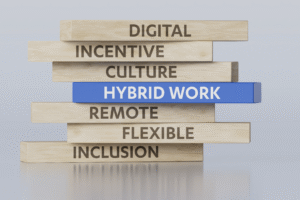
Hybrid and Remote Work: The Great Accelerator
The mass experiment in remote work during the pandemic revealed an uncomfortable truth for many employers: most knowledge work doesn’t require physical presence in an office. Employees discovered they could be productive—often more productive—while enjoying flexibility that dramatically improved their quality of life.
This revelation changed expectations permanently. Remote and hybrid work options have become table stakes in competitive talent markets. Organizations that offer these arrangements gain access to wider talent pools, reduce overhead costs, and demonstrate trust in their employees. Those that resist face an uphill battle in talent acquisition and retention.
But flexibility alone isn’t enough. Successful hybrid and remote strategies require intentional culture development, robust technology infrastructure, clear communication protocols, and managers trained to lead distributed teams effectively.
Reframing Salary: Necessary, but Not Sufficient
Let’s be clear: salary still matters. Employees need to earn enough to meet their financial obligations and achieve reasonable security. But once compensation reaches a threshold of adequacy, its marginal value as a motivator diminishes rapidly.
This creates a strategic opportunity for SMBs and organizations that can’t match the salary offerings of deep-pocketed competitors. By excelling in areas beyond compensation—flexibility, culture, purpose, development opportunities, and genuine work-life balance—they can compete effectively for top talent.
The equation has changed: Total Value Proposition = Compensation + Flexibility + Culture + Purpose + Growth + Balance
Organizations that optimize only the first variable while neglecting the others will lose talented employees to competitors who understand the full equation
Strategic Imperatives for Employers
- Audit Your Employee Value Proposition
Conduct honest assessments of what you offer beyond salary. Survey current employees about what they value most. Analyze why people leave and why others stay. Identify gaps between what your organization provides and what talent increasingly demands.
- Embrace Flexible Work as Strategy, Not Concession
Stop viewing hybrid and remote options as accommodations and start treating them as strategic advantages. Develop robust policies that provide clarity while preserving autonomy. Invest in technology and training that makes distributed work seamless.
- Articulate and Demonstrate Purpose
Help employees understand how their work contributes to meaningful outcomes. Connect individual roles to organizational mission. Create opportunities for employees to engage in purpose-driven projects and initiatives.
- Build Culture Intentionally
Culture development doesn’t happen by accident, especially in hybrid environments. Be deliberate about creating psychological safety, fostering belonging, maintaining transparency, and living your stated values. Hold leaders accountable for cultural stewardship.
- Prioritize Talent Development and Career Growth
Employees want to know they’re building valuable skills and advancing professionally, even if traditional hierarchical advancement isn’t always available. Invest in learning opportunities, mentorship, lateral moves, and skill development. This commitment to growth redefines career success from external markers to internal development.
- Measure What Matters
Stop measuring career success solely through presenteeism and hours logged. Focus on outcomes, impact, innovation, and employee well-being. Use engagement surveys, retention metrics, and qualitative feedback to understand whether you’re meeting evolving employee needs.
- Empower Managers as Culture Carriers
Your front-line managers make or break the employee experience. Equip them with training in emotional intelligence, inclusive leadership, and managing for outcomes rather than activity. Their ability to foster work-life balance, recognize meaningful contributions, and create psychological safety directly impacts retention strategy.
The Competitive Advantage for SMBs
For small and medium-sized businesses, this shift levels the playing field in talent acquisition. You may not be able to match enterprise salaries or benefits packages, but you can offer advantages that large organizations struggle to provide:
- Agility and Responsiveness: You can adapt policies and practices quickly without bureaucratic inertia
- Proximity to Impact: Employees can see how their work directly affects organizational success
- Authentic Culture: Smaller teams often foster stronger relationships and more genuine cultural alignment
- Flexibility and Autonomy: You can customize arrangements to individual needs without rigid corporate policies
- Meaningful Relationships: Employees can develop closer connections with leadership and colleagues
By emphasizing these strengths and building an employee value proposition centered on quality of work life, purpose, and flexibility, SMBs can attract and retain exceptional talent despite resource constraints.
How Lloyd Staffing Supports the New Workplace Reality
Navigating this transformed talent landscape requires more than good intentions—it demands strategic partnership and expertise. Lloyd Staffing has been helping employers and job seekers adapt to evolving workforce priorities for over 50 years, and our approach has evolved alongside the changing definition of career success.
For employers struggling to compete in today’s talent market, Lloyd Staffing provides comprehensive talent acquisition and retention strategy support. We help organizations audit their employee value proposition, identify gaps in their culture development initiatives, and implement work-life balance policies that attract top candidates. Our team understands that successful hiring today means looking beyond resumes to find candidates whose values align with your mission and whose definition of career success matches what your organization offers. We can help you articulate your unique advantages—whether that’s meaningful work, flexibility, growth opportunities, or authentic culture—and connect you with talent that prioritizes those same elements.
For job seekers navigating the new career landscape, Lloyd Staffing serves as a trusted advisor in finding roles that align with your redefined vision of career success. We don’t just match skills to job descriptions; we listen to what matters most to you—whether that’s work-life balance, remote work options, company culture, growth potential, or meaningful work—and connect you with employers who share those priorities. Our extensive network includes organizations across industries that have embraced flexible work arrangements, invested in culture development, and demonstrated genuine commitment to employee well-being. We advocate for you throughout the process, helping you evaluate opportunities through the lens of total value proposition, not just compensation. In today’s workplace, finding the right fit means finding an employer whose values mirror your own, and Lloyd Staffing is here to make that connection.
Looking Forward: The Sustainable Talent Strategy
The organizations that thrive in this new era will be those that recognize career success isn’t unidimensional. They’ll build workplaces that honor the whole person—their professional ambitions and personal priorities, their need for financial security and their hunger for meaningful work, their desire to contribute and their right to rest.
This isn’t about being soft or sacrificing business results. It’s about being strategic and realistic. Employees who feel valued beyond their output, who work for organizations aligned with their values, and who maintain healthy work-life balance are more engaged, innovative, loyal, and productive.
The measure of career success has evolved. The measure of organizational success must evolve with it.
The question for employers isn’t whether to adapt, but how quickly you can transform your approach to attract and retain the people who will drive your organization forward.
****************************
Are you in need of recruitment support?
Let us help you find the right person for your role. Hire Now.
Are you working, but unsatisfied and ready for a new role?
Visit our Job Board to apply for one of our employment opportunities.
Written by Nancy Schuman, CSP, the former Chief Commuications Officer for LLoyd Staffing.
A recruitment and career specialist, Nancy has more than 40 years in the staffing industry – 27 of them with Lloyd. Now semi-retired, she remains an advocate for career education; she has advised thousands of candidates on their resumes and job searches while also serving as the Careers columnist for a large weekly Long Island newspaper. Nancy has written 11 popular books for job seekers and business professionals. You can find her Author’s page and books on Amazon. She continues to blog for Lloyd and coach job seekers at all levels, offering advice for today’s competitive workplace.